Entropy Wins. Now What?
I've been revisiting Irvin Yalom's brilliant book Staring at the Sun. If you haven't read it... particularly if the idea of death makes you uncomfortable... put it on your list. It's sharpened my thinking on something we all know but rarely act on.
I've been revisiting Irvin Yalom's brilliant book Staring at the Sun. If you haven't read it... particularly if the idea of death makes you uncomfortable... put it on your list. It's sharpened my thinking on something we all know but rarely act on.
Time is short. And entropy always wins.
That sounds bleak. It isn't. Stick with me.
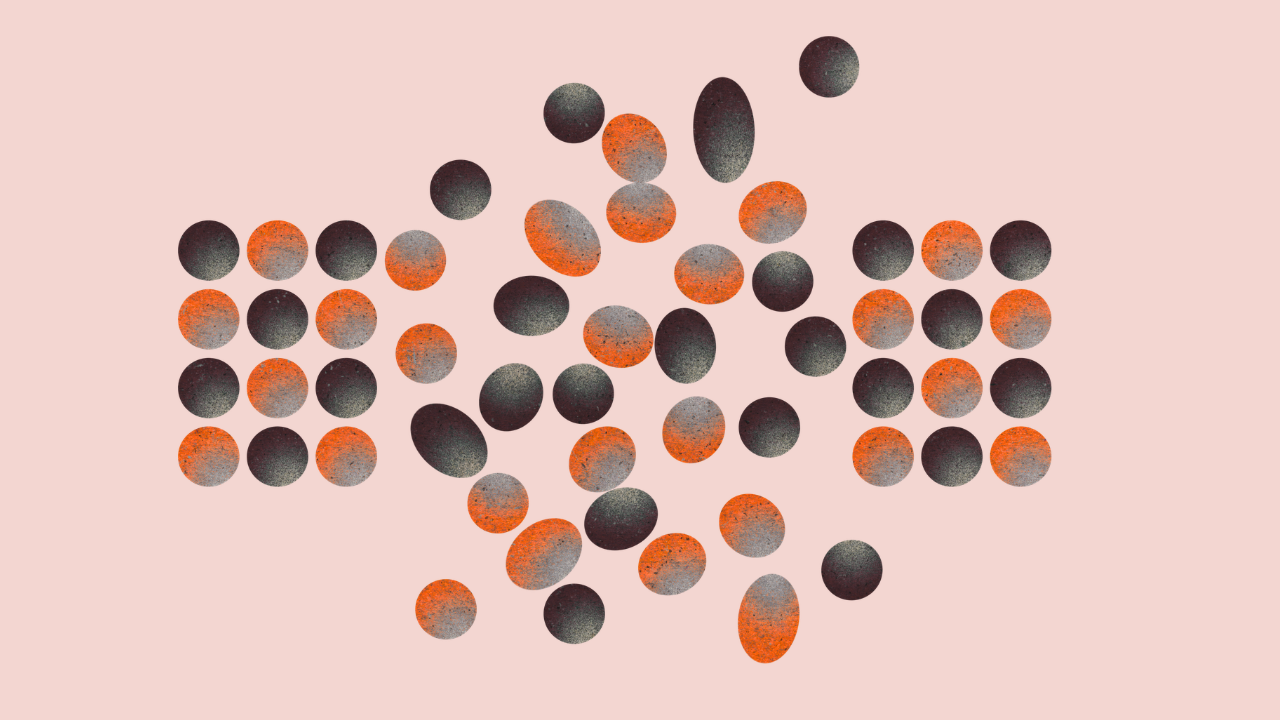
The universe is a one-way conveyor belt from order to chaos. Everything drifts towards decay. Projects stall. Bodies creak (mine certainly does). Teams dissolve. Even the sun is... very slowly... winding down.
Most people hear this and feel dread. I propose it could be the source of relief. Because once you accept that the clock is running, a lot of noise falls away. You stop asking "what should I do?" and start asking "what actually matters?"
As Yalom puts it: the physicality of death destroys us, but the idea of death can save us.
Decay as a design constraint
Here's what I've come to understand. Entropy isn't a threat. It's a design constraint. And constraints... as any creative person knows... are where the good work happens.
When time is unlimited, everything is equally important, which means nothing is. When time is obviously finite, you get selective. You get sharp. The filter tightens.
Let me introduce the Deathbed Filter. It takes two minutes and it's brutal. Ask yourself: if I had one week left, would I do this thing? Then score it across four dimensions. Does it matter to someone you care about? Does it change things? Will you learn something reusable? Will it leave something useful behind?
Anything that scores high gets protected. Anything that doesn't gets deleted or shrunk. Not eventually. Now. Because entropy doesn't wait for your planning cycle.
Small Missions, not grand plans
The Make Happen Method runs on a simple engine: Act, Ship, Debrief. Do something small, put it in front of people, learn from what happens, repeat. It's the antidote to the grand plan that never ships.
We’ve started applying this through what we describe as missions... 10 to 90 day chunks, each built around one clear promise. One sentence. "Ship X by Y date." Not a vision board. Not a five-year strategy. A promise you can hold yourself to and that others can hold you to.
Then find the One Actions (the single, important action, that can be done today). What can you actually finish in a day? Not think about. Not plan. Finish. And share.
Ship 2-5 One Actions every week. A page, a prototype, a checklist. You cannot have any impact in the world if you do not ship (sharing with others). Literally. While you're starting new things, talking about things, putting off things... you're having no impact. The world doesn't reward ideas stored neatly in notebooks. It rewards the ones that get out.
The creative loop
The process is embarrassingly simple. Make small things... drafts, prototypes, rough cuts. Test them with real people. Keep what works, bin the rest. Repeat.
What this looks like day to day
Every day, spend fifteen minutes running the Deathbed Filter. Delete one thing. Protect one thing. Block 60 to 90 minutes for your One Acction. That's it. The rest of the day can be chaos. That bit isn't.
Every week, spend about an hour shipping one thing, logging one decision (what you chose, why, and what would change your mind), and asking one person for feedback you can actually use that week.
Every quarter, spend 90 minutes killing one project on purpose. Not letting it fade... actively ending it and harvesting whatever's useful. Pick one new Mission. Share whatever reusable tools came out of the last quarter... templates, scripts, patterns... anything that might save someone else time.
Three things worth coming back to
Meaning is made, not found. Nobody unearths it after enough soul-searching. You build it through action. It's wet clay that only holds shape while your hands are on it.
Constraints help. Short time equals sharper focus. The ticking clock isn't the enemy. It's the editor.
Visibility beats intensity. Steady, seen work wins. Not the grand gesture. Not the heroic all-nighter. The quiet, consistent act of showing up, shipping, and leaving trails.
Start today
Write your one-sentence promise. Define your One Action and finish it today. Decide what you'll leave behind... one useful thing someone else can use. Run the Deathbed Filter and delete one thing that doesn't survive it.
Entropy wins in the end. It always does. But between now and then, you get to decide what you make, who you help, and what proof you leave that you were here.
That's not morbid. That's the most alive thing there is.